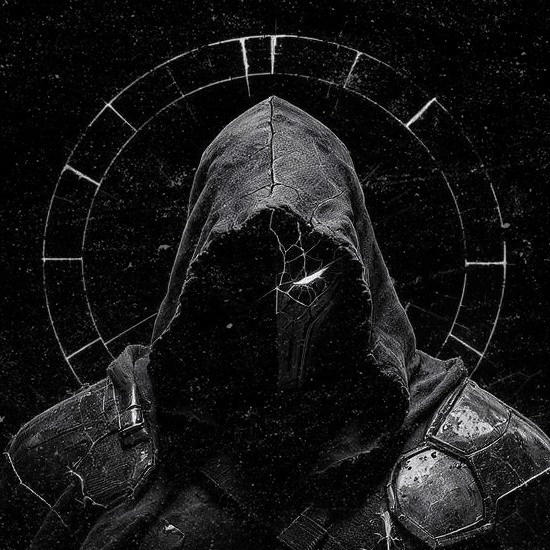
Borderlands was created by Gearbox Software, an American video game development company founded in 1999. The team, led by Randy Pitchford, developed the series as a unique blend of first-person shooter mechanics and role-playing game elements, resulting in the now-famous “looter-shooter” genre. Gearbox Software is the original creator and producer behind the Borderlands franchise.
The vision for Borderlands combined the fast-paced action of shooters with the addictive nature of randomized loot, drawing inspiration from games like Doom and Diablo. This approach, along with the series’ distinctive comic book art style, humor, and cooperative gameplay, has made Borderlands a landmark franchise in modern gaming.
Over the years, Gearbox has continually expanded the series, introducing new characters, settings, and gameplay systems that keep fans engaged. The company’s ongoing commitment to innovation and storytelling has secured Borderlands a lasting place in the gaming industry.
Key Takeaways
- Gearbox Software developed and produced the Borderlands series.
- The series blends shooter action with RPG-style loot and progression.
- Borderlands’ unique style and gameplay have influenced modern game design.
Creators and Development Team
Borderlands was created through the vision and efforts of several key individuals and teams. The concept and game design came primarily from Matthew Armstrong. Leadership and direction were driven by Randy Pitchford, president of Gearbox Software. The studio collaborated with publishers and other partners to bring the game to multiple platforms.
Matthew Armstrong’s Concept and Game Design
Matthew Armstrong served as the lead designer for Borderlands. He shaped the core gameplay mechanics, combining first-person shooter elements with role-playing game features. Armstrong’s design introduced the idea of multiple playable characters with unique skill trees.
He emphasized procedural generation for weapons and items, enabling millions of possible variations. This system became central to Borderlands’ identity, promoting player choice and replayability.
Armstrong’s vision aimed to blend fast-paced shooter action with character customization, creating a “role-playing shooter” hybrid that distinguished Borderlands from other games at its release.
Randy Pitchford and Gearbox Leadership
Randy Pitchford is a co-founder of Gearbox Software and has acted as president and CEO since its inception. He played a significant role in overseeing the development process of Borderlands.
Pitchford’s leadership ensured the team maintained a consistent creative direction while meeting deadlines. He also helped manage relationships with publishers, primarily 2K, which funded and published the game globally.
His role extended to guiding marketing strategies and fostering innovation within Gearbox. Pitchford’s commitment to quality contributed to Borderlands’ critical and commercial success.
Gearbox Software and Studio Collaboration
Gearbox Software, founded in 1999, developed Borderlands. The studio had prior experience with expansions and ports, which prepared them for developing an original IP like Borderlands.
They collaborated closely with 2K Games, who handled publishing and distribution, providing resources for development and global release. The partnership allowed Borderlands to target multiple platforms including PlayStation, Xbox, and PC.
Additional collaboration included external teams such as Feral Interactive, which managed the Mac OS X version. The combined efforts across design, programming, art, and sound production ensured the game met high-quality standards upon release.
Creative Vision, Influences, and Legacy
Borderlands redefined gaming by merging distinct genres, crafting a unique visual style, and developing memorable characters and worlds. Its influence extends across multiple platforms and has grown into a significant franchise with numerous spin-offs and adaptations.
RPG and Shooter Hybrid Innovation
Borderlands pioneered the “shooter-looter” genre by combining fast-paced first-person shooter mechanics with deep action RPG elements. The gameplay integrates a sophisticated loot system offering procedurally generated weapons, allowing players to find hundreds of thousands of unique guns.
Skill trees and class systems define each Vault Hunter’s abilities, promoting diverse playstyles. Characters like Axton, Maya, Salvador, Zer0, and Krieg have unique skill sets that encourage cooperation in multiplayer modes. This blend created a new subgenre, inspiring many looter shooters.
Loot-driven multiplayer co-op gameplay emphasizes cooperative strategies and character progression as core components. The inclusion of RPG staples such as experience points, mission objectives, and dialogue choices strengthens the hybrid design, making Borderlands stand out from traditional shooters.
Visual Style and Artistic Choices
The franchise’s distinct comic book-like rendering uses cel-shaded techniques, setting it apart visually. This artistic choice was a last-minute decision to avoid the realistic styles common in shooter games and better match Borderlands’ irreverent tone.
The heavily stylized visuals accommodate the game’s exaggerated weapon designs and diverse environments across Pandora, Elpis, and other locations. The approach supports both humor and heightened action, making characters and enemies instantly recognizable.
Gearbox Software’s choice to incorporate bold lines and vibrant colors delivers a signature look that balances chaos and clarity. This unique visual identity remains consistent through titles such as Borderlands 2, The Pre-Sequel, Borderlands 3, and spin-offs like Tiny Tina’s Wonderlands.
Key Characters, Story, and World-Building
The narrative centers on Vault Hunters seeking powerful alien Vaults on Pandora and other worlds. Key figures include Lilith, Roland, Handsome Jack, Mad Moxxi, and Claptrap, whose interactions balance dark humor with immersive storytelling.
Characters like Tiny Tina and Patricia Tannis add depth to the universe, while corporate entities such as Hyperion and Atlas drive conflict. The storytelling incorporates episodic DLC and games like Tales from the Borderlands and New Tales from the Borderlands, which expand the lore through dialogue-rich, episodic adventures.
The world-building blends sci-fi and post-apocalyptic elements, introducing Eridians and diverse planetary settings. This layered narrative structure provides a backdrop for gameplay while evolving with each major release.
Platform Reach and Franchise Expansion
Starting on Windows and consoles like PlayStation 3 and Xbox 360, Borderlands expanded to current-generation platforms including PlayStation 4 and Xbox One. It later reached mobile devices through iOS and Android, broadening its accessibility.
Gearbox further developed the franchise with several sequels and spin-offs: Borderlands 2, The Pre-Sequel, Borderlands 3, and the narrative-driven Tales from the Borderlands series. Borderlands 4, released in 2025, continues the series’ legacy with enhanced gameplay and connectivity features.
Additional expansions include DLC content such as The Zombie Island of Dr. Ned and The Secret Armory of General Knoxx. The franchise has also moved into film and television through Gearbox Studios, solidifying its presence beyond video games.
Related Articles
Are the Borderlands Games Connected? Exploring the Series Timeline
Which Borderlands Game Is the Best? Definitive Ranking & Analysis
Should Borderlands Be Played in Order? The Essential Guide
Where Is Borderlands Fan Fest: Location, Date & Key Event Details
Why Did the Borderlands Movie Fail? Key Reasons Explained