Borderlands 4 presents a noticeable shift in narrative tone compared to Borderlands 3, aiming for a more serious and grounded approach. The story adopts a darker and more mature atmosphere, moving away from the heavy humor and chaotic style that defined its predecessor. This change reflects feedback from fans and industry critics, prompting Gearbox to reconsider the franchise’s storytelling style.
The new tone is supported by a plot that feels more purposeful and intense, with a villain who is composed and truly threatening, contrasting with Borderlands 3’s more meme-driven antagonist. Returning characters receive deeper treatment, and the story balances darker themes while maintaining some light moments to keep the series’ unique identity intact.
Key Takeways
- Borderlands 4 features a darker and more serious story tone than Borderlands 3.
- The narrative includes a more focused plot with a less comedic villain.
- Gearbox incorporated fan feedback to evolve the series’ storytelling style.
How Borderlands 4’s Story Tone Compares to Borderlands 3
Borderlands 4 takes a more serious approach than its predecessor, focusing on a grounded narrative and a darker story environment. This direction affects the overall feel, shifting away from the humor-heavy style that defined much of Borderlands 3. The reduction in comedic elements aligns with the setting and characters while aiming to engage players through deeper storytelling.
Shift Toward a More Grounded Narrative
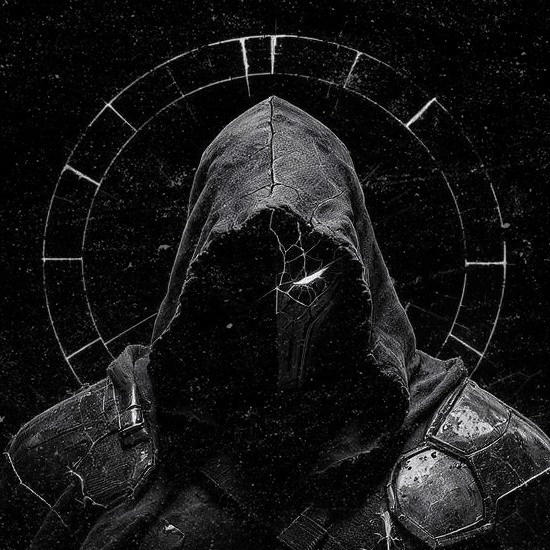
Borderlands 4 adopts a toned-down narrative compared to Borderlands 3. The story centers on the totalitarian planet Kairos, ruled by the imposing Timekeeper, creating a serious and oppressive atmosphere. Unlike Borderlands 3, which relied heavily on jokes and over-the-top antics, BL4 presents a more mature, focused plot that fits the world’s high stakes.
Gearbox aimed to balance humor with gravity, grounding the characters and their motivations while avoiding the excessively meme-driven style of the previous game. This shift reflects feedback from both developers and players critical of Borderlands 3’s tone.
Reasons Behind the Darker Direction
The darker tone stems from Gearbox’s intent to evolve the franchise’s narrative maturity. The developer recognized the need to address criticism about Borderlands 3’s “worst hours,” where its joke-heavy approach sometimes diminished emotional impact.
BL4’s story development began early, with the team prioritizing a narrative that felt fitting for the new setting and villain. Unlike the wild west vibe of Pandora, Kairos demands a tone that conveys oppression and urgency. This change allows Borderlands 4 to explore themes of control and resistance more seriously.
Impact of Humor Reduction on Player Experience
The decrease in humor alters the gameplay’s emotional balance. Borderlands 4 maintains some comedic moments, but humor now emerges more naturally from characters and situations rather than constant jokes.
Players familiar with Borderlands 3 may find BL4’s story tone less chaotic and more cohesive. The humor serves the narrative instead of overwhelming it, making the overall experience feel deliberate and purposeful.
Borderlands 4 still keeps the franchise’s identity but appeals to those who prefer a story with clear stakes and fewer distractions from tonal shifts.
Major Story Elements Defining the Darker Tone
Borderlands 4 takes a more serious narrative approach, deepening the stakes through celestial forces and character struggles. The plot revolves around the Timekeeper and the Order, while returning Vault Hunters face complex fates. The evolution of villainy contrasts sharply with previous antagonists, influencing gameplay and player builds to match this darker atmosphere.
Role of the Timekeeper and the Order in Shaping the Plot
The Timekeeper serves as a celestial enforcer within the Borderlands universe, controlling the flow of time and enforcing the will of the Order. This mysterious organization operates on a cosmic level, bringing layers of philosophical and existential conflict to the story. Their influence challenges Vault Hunters to confront predestined paths and moral dilemmas tied to cosmic balance.
Kairos, the leader of the Order, embodies this divine authority, demanding obedience and enforcing harsh consequences for disruption. This framework shifts the focus from simple villainy to a grander, more oppressive power structure. The narrative tension intensifies as characters navigate both personal motives and the overarching will of these time-controlling entities.
Character Arcs: Fate of Returning Vault Hunters
Returning Vault Hunters face deeper, more mature storylines that reflect their growth since previous titles. Their motivations intertwine with the Order’s cosmic threat, forcing them to confront loss, loyalty, and legacy. For example, Ava, a returning character, grapples with her past while adapting to new challenges posed by the Timekeeper.
These arcs reject the often comedic and fragmented storytelling of Borderlands 3. Instead, they emphasize emotional stakes, personal consequences, and ethical conflicts. This shift allows players to engage more meaningfully with familiar characters and their evolving roles in the changing world.
Evolution of Villainy: Handsome Jack versus the Timekeeper
Handsome Jack, the iconic Borderlands 3 villain, symbolized chaotic narcissism and dark humor. In contrast, the Timekeeper represents an impersonal and almost divine threat. Instead of personal vendettas, the Timekeeper enforces fate and cosmic order, elevating the antagonist to a metaphysical plane.
This change drives a more somber tone. Villainy shifts from overt maliciousness to quiet inevitability, adding tension through philosophical stakes. This also results in less overt humor from antagonists, focusing instead on a relentless, unavoidable challenge to the Vault Hunters.
Influence on Builds and Gameplay Immersion
The darker narrative and cosmic themes influence gameplay by encouraging builds that reflect struggle and resilience. Players must adapt to challenges posed by the Timekeeper’s manipulation of time and the Order’s forces, promoting strategic thinking and timing in combat.
Mechanics related to mobility and resource management align with the tighter, more grounded loot economy. This integration of story and gameplay deepens immersion, pushing players to engage thoughtfully with their characters and the world’s heavier tone.
Related Articles
Borderlands 4 vs Borderlands 3: Differences in Systems & Feel
Where Is Borderlands 4 Set? Explore Kairos, Locations, and Lore
Are the Borderlands Games Connected? Exploring the Series Timeline
Which Borderlands Game Is the Best? Definitive Ranking & Analysis
Should Borderlands Be Played in Order? The Essential Guide